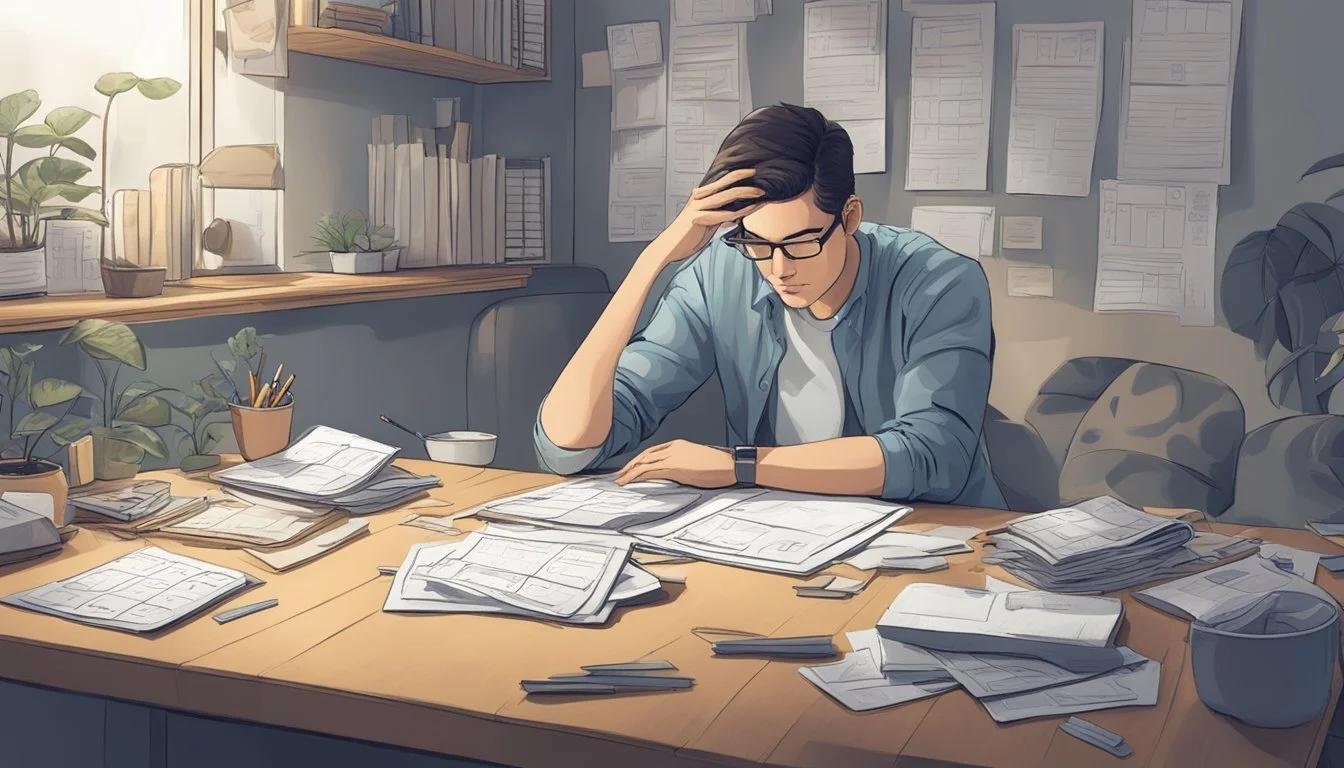
Over the last few months, I saw that # 10 Common Signs of Chronic Stress and How to Manage Them **Category:** Mental Health and Wellness **Introduction** Stress is a natural part of life. Truth is, people experience stress because of work, studies, financial problems, family responsibilities, relationships, and other daily challenges. In small amounts, stress can sometimes motivate us to complete tasks and solve problems. However, when stress continues for a long time, it can affect both physical and mental health. Chronic stress occurs when the body's stress response remains activated for an extended period. It may interfere with sleep, concentration, mood, digestion, and overall well-being. Recognizing the warning signs of chronic stress is an important step toward managing it effectively. In this article, we will explore 10 common signs of chronic stress and discuss practical ways to manage stress and improve your quality of life. ## 1. Constant Worrying and Anxiety One of the common signs of prolonged stress is persistent worrying. A person may repeatedly think about work, studies, finances, family responsibilities, or future problems. Even when there's no immediate danger, it may be difficult to relax or stop thinking about stressful situations. Constant worrying can make everyday activities feel overwhelming. It may also contribute to irritability, restlessness, and difficulty concentrating. **How to manage it:** Try writing down your worries and identifying which problems you can solve immediately. Practising relaxation techniques, talking to someone you trust. Seeking professional support when needed may also help. ## 2. Sleep Problems Stress can make it difficult to fall asleep, remain asleep, or wake up feeling refreshed. Racing thoughts and worries may keep the mind active at night. Poor sleep can then make it harder to manage stress the following day. Over time, this pattern may affect mood, concentration, energy levels, and daily performance. **How to manage it:** Maintain a consistent sleep schedule, create a relaxing bedtime routine, reduce stimulating activities before bed. Avoid caffeine late in the day. If sleep problems continue, consider speaking with a healthcare professional. ## 3. Frequent Headaches Prolonged stress may contribute to headaches, particularly tension-type headaches. These headaches can be associated with tight muscles around the head, neck, and shoulders. However, headaches can have many causes, including dehydration, vision problems, migraines, and other medical conditions. Frequent headaches should not automatically be blamed on stress. **How to manage it:** Drink enough water, take breaks from screens, maintain good posture. Try gentle relaxation exercises. Seek medical advice if headaches are frequent, worsening, or interfering with everyday life. A sudden, extremely severe headache or a headache accompanied by weakness, confusion, or difficulty speaking requires urgent medical attention. ## 4. Constant Tiredness and Low Energy Chronic stress can leave a person feeling mentally and physically exhausted. Managing ongoing worries and responsibilities may consume significant emotional energy. Stress-related sleep problems can make fatigue worse. A person may find it difficult to complete ordinary tasks, remain motivated, or feel refreshed after resting. **How to manage it:** Establish a balanced daily routine, get adequate sleep, eat regular nutritious meals. Include manageable physical activity. Persistent fatigue may also indicate an underlying medical problem, so seek medical advice if it doesn't improve. ## 5. Irritability and Mood Changes When people experience prolonged stress, they may become more sensitive to everyday frustrations. Small problems can feel unusually difficult. A person may become impatient, angry, upset, or emotionally overwhelmed. These mood changes can affect relationships with family members, friends, classmates, and colleagues. **How to manage it:** Identify situations that trigger stress and pause before reacting. Slow breathing, regular exercise, taking short breaks. Communicating calmly can help. If mood changes become severe or persistent, consider seeking professional support. ## 6. Difficulty Concentrating and Remembering Things Stress can interfere with attention and concentration. A person may struggle to focus on a conversation, remember instructions, make decisions, or complete tasks efficiently. For students, this may affect learning and exam preparation. For working professionals, it may reduce productivity and increase the likelihood of mistakes. **How to manage it:** Break large tasks into smaller steps, make a daily to-do list, reduce distractions. Take regular short breaks. Focus on one task at a time rather than trying to manage everything simultaneously. ## 7. Muscle Tension and Body Pain Stress activates the body's natural response to perceived threats. This response can cause muscles to tense, particularly around the neck, shoulders, jaw, and back. When tension continues, some people experience muscle discomfort, stiffness, or pain. Poor posture and prolonged sitting may also contribute. **How to manage it:** Stretch gently, adjust your sitting posture, take movement breaks. Practise relaxation exercises. If pain is persistent, severe, or unexplained, consult a healthcare professional. ## 8. Changes in Appetite and Eating Habits Stress can affect appetite differently from person to person. Some people eat more when they feel stressed, while others lose interest in food. Stress may also encourage emotional eating, in which a person uses food to cope with difficult feelings rather than physical hunger. Over time, significant changes in eating habits may affect energy levels and general health. **How to manage it:** Try to maintain regular meal times and choose balanced meals containing vegetables, fruit, whole grains. Suitable sources of protein. Notice emotional triggers without judging yourself. Seek support if changes in appetite or weight persist. ## 9. Digestive Problems The brain and digestive system communicate closely with each other. Stress can affect digestion and may worsen symptoms such as abdominal discomfort, nausea, bloating, diarrhoea, or constipation in some people. However, digestive symptoms can also result from infections, food intolerances, medication effects, and other health conditions. **How to manage it:** Eat regular meals, drink sufficient water, engage in physical activity. Identify whether particular situations appear to worsen your symptoms. Seek medical advice for persistent digestive problems, especially if you experience blood in your stool, unexplained weight loss, or severe abdominal pain. ## 10. Social Withdrawal and Loss of Interest Another possible sign of prolonged stress is withdrawing from social activities. A person may stop meeting friends, avoid family gatherings, or lose interest in hobbies they previously enjoyed. Sometimes, people withdraw because they feel exhausted or believe they can't manage additional responsibilities. Persistent social withdrawal can also occur with depression and other mental health difficulties. **How to manage it:** Start with small, manageable social activities. Contact a trusted friend or family member, spend time outdoors, or return gradually to activities you enjoy. If withdrawal continues or is accompanied by persistent sadness or hopelessness, consider speaking with a mental health professional. ## What Causes Chronic Stress? Chronic stress can develop when a person experiences ongoing pressure without enough time, resources, or support to recover. Common contributing factors include: - Financial difficulties and debt. - Heavy workloads or academic pressure. - Family conflicts and relationship difficulties. - Caring responsibilities. - Unemployment or job insecurity. - Long-term uncertainty or major life changes. - Ongoing health problems. - Lack of sleep, relaxation, or social support. The causes of stress differ from person to person. Identifying the main sources of pressure can help people decide which changes may be most useful. ## 7 Effective Ways to Manage Chronic Stress ### 1. Exercise Regularly Walking, cycling, swimming, and other suitable forms of physical activity can support mood, sleep, and overall health. Start with an achievable amount of activity and gradually increase it according to your abilities. ### 2. Improve Your Sleep Routine Try to go to bed and wake up at consistent times. Create a comfortable sleeping environment and allow yourself enough time to rest. ### 3. Practise Slow Breathing Take gentle, comfortable breaths and allow your breathing to slow naturally. Spend a few minutes focusing on your breathing without forcing it. Stop if you feel dizzy or uncomfortable. ### 4. Eat Balanced Meals Regular meals and a balanced diet help support general health and energy levels. Avoid relying excessively on caffeine or other stimulants to cope with tiredness. ### 5. Set Realistic Goals Divide large responsibilities into smaller tasks. Prioritize what needs to be done first, and recognize that some tasks can wait. Learning to set boundaries can help prevent unnecessary pressure. ### 6. Stay Connected With Others Talking to a trusted friend, relative, teacher, or colleague can provide emotional support. You don't have to manage every problem alone. ### 7. Seek Professional Help When Needed If stress continues for weeks, becomes difficult to manage, or affects sleep, relationships, work, or daily activities, speak with a qualified healthcare professional or mental health practitioner. Psychological therapies, including cognitive behavioural therapy when appropriate, can help people develop effective coping strategies. ## When Should You Seek Medical Help? It's important not to assume that every physical or emotional symptom is caused by stress. Many symptoms of chronic stress overlap with other medical and mental health conditions. Seek professional advice if symptoms persist, worsen, or interfere with your everyday life. Seek urgent medical attention for serious warning signs, such as severe chest pain, difficulty breathing, sudden neurological symptoms, or a sudden severe headache. If you experience thoughts of harming yourself, seek immediate support from local emergency services or a trusted healthcare professional. ## Frequently Asked Questions (FAQs) ### 1. What are the most common signs of chronic stress? Common signs include persistent worrying, sleep difficulties, headaches, fatigue, irritability, difficulty concentrating, muscle tension, changes in appetite, digestive discomfort, and social withdrawal. Not everyone experiences all these symptoms. ### 2. Can chronic stress affect physical health? Yes. Prolonged stress can affect sleep, muscle tension, digestion, mood, and daily functioning. It may also contribute to unhealthy behaviours and can affect cardiovascular health over time. The effects vary between individuals. ### 3. How can I reduce stress naturally? Helpful strategies include regular physical activity, adequate sleep, slow breathing, balanced nutrition, realistic planning, enjoyable activities. Support from trusted people. These approaches can complement professional care when needed. ### 4. How long does chronic stress last? There's no fixed duration. Stress may continue for as long as its underlying causes remain, although the experience varies considerably. Persistent symptoms deserve attention even when the source of stress is unclear. ### 5. Is chronic stress the same as anxiety or depression? No. Chronic stress refers to prolonged exposure to stressful situations or pressures. Anxiety disorders and depression are distinct mental health conditions, although their symptoms may overlap with stress. A qualified professional can help assess persistent or severe symptoms. ### 6. Can chronic stress be treated? Yes. Stress can often be managed with lifestyle changes, social support, problem-solving strategies. Psychological therapies when appropriate. Treatment depends on the individual's circumstances and symptoms. ## Conclusion Chronic stress can affect many aspects of life, from sleep and concentration to mood, digestion, and physical comfort. Recognizing its possible signs early can help people take steps toward improving their well-being. Simple habits such as regular exercise, a consistent sleep routine, relaxation, balanced meals. Maintaining supportive relationships can make a meaningful difference. However, persistent or severe symptoms should not be ignored or automatically attributed to stress. **Remember:** Taking care of your mental health is an important part of taking care of your overall health. Seeking help is a positive step, not a sign of weakness. *Medical disclaimer: This article is for general educational purposes only and isn't a substitute for professional medical advice, diagnosis, or treatment. *
10 Common Signs of Chronic Stress and How to Manage Them
When I dug into this, category: Mental Health and Wellness Introduction Stress is a natural part of life. From what I've seen, people experience stress because of work, studies, financial problems, family responsibilities, relationships, and other daily challenges. In small amounts, stress can sometimes motivate us to complete tasks and solve problems. However, when stress continues for a long time, it can affect both physical and mental health. Chronic stress occurs when the body's stress response remains activated for an extended period. It may interfere with sleep, concentration, mood, digestion, and overall well-being. Recognizing the warning signs of chronic stress is an important step toward managing it effectively. In this article, we will explore 10 common signs of chronic stress and discuss practical ways to manage stress and improve your quality of life.
Comments (0)
Log in to leave a comment.
No comments yet. Be the first to share your thoughts!